
01
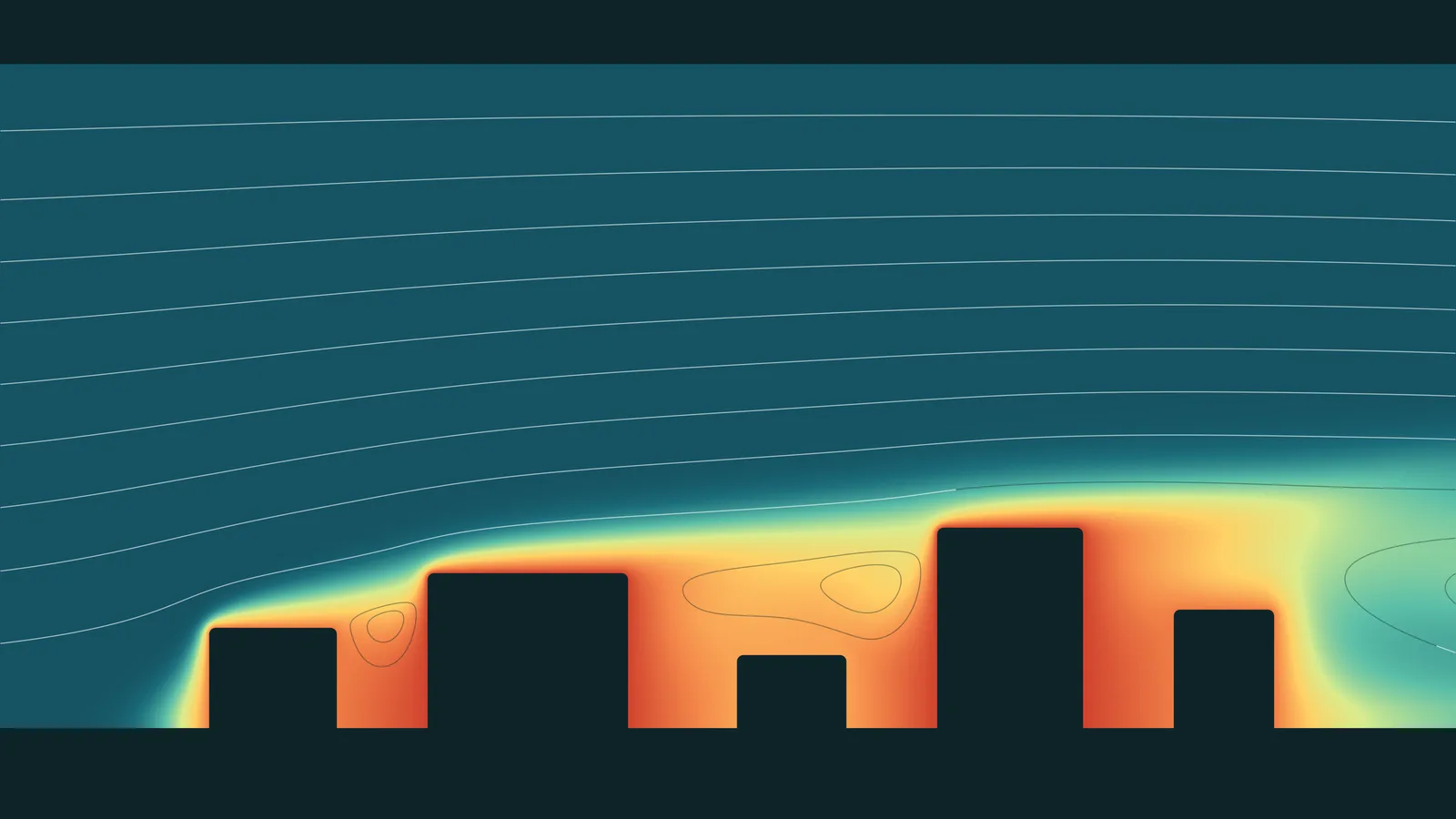
External aerodynamics
Lift, drag, moments and wake behaviour for aerofoils, wings, vehicles and structures.

01 / What we do
Specialists in computational fluid dynamics (CFD) and computational quantum chemistry (CQC), we connect physics with practical insight, from engineering flows to molecular behaviour.
01
Lift, drag, moments and wake behaviour for aerofoils, wings, vehicles and structures.
02
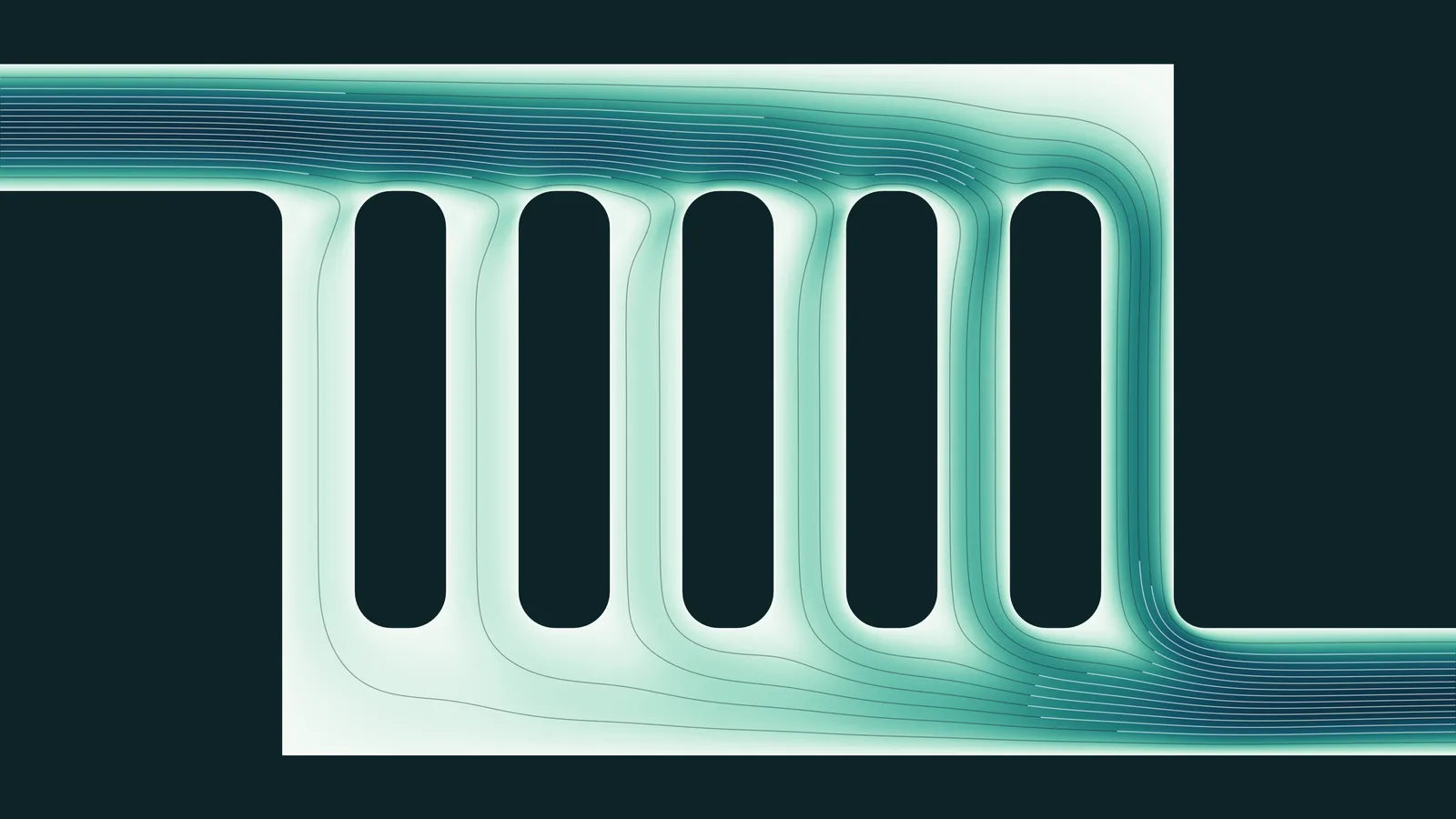
Pressure drop, flow distribution and recirculation in pipes, ducts, manifolds and valves.
03
Conjugate heat transfer, electronics cooling and heat-exchanger performance across fluids and solids.
04
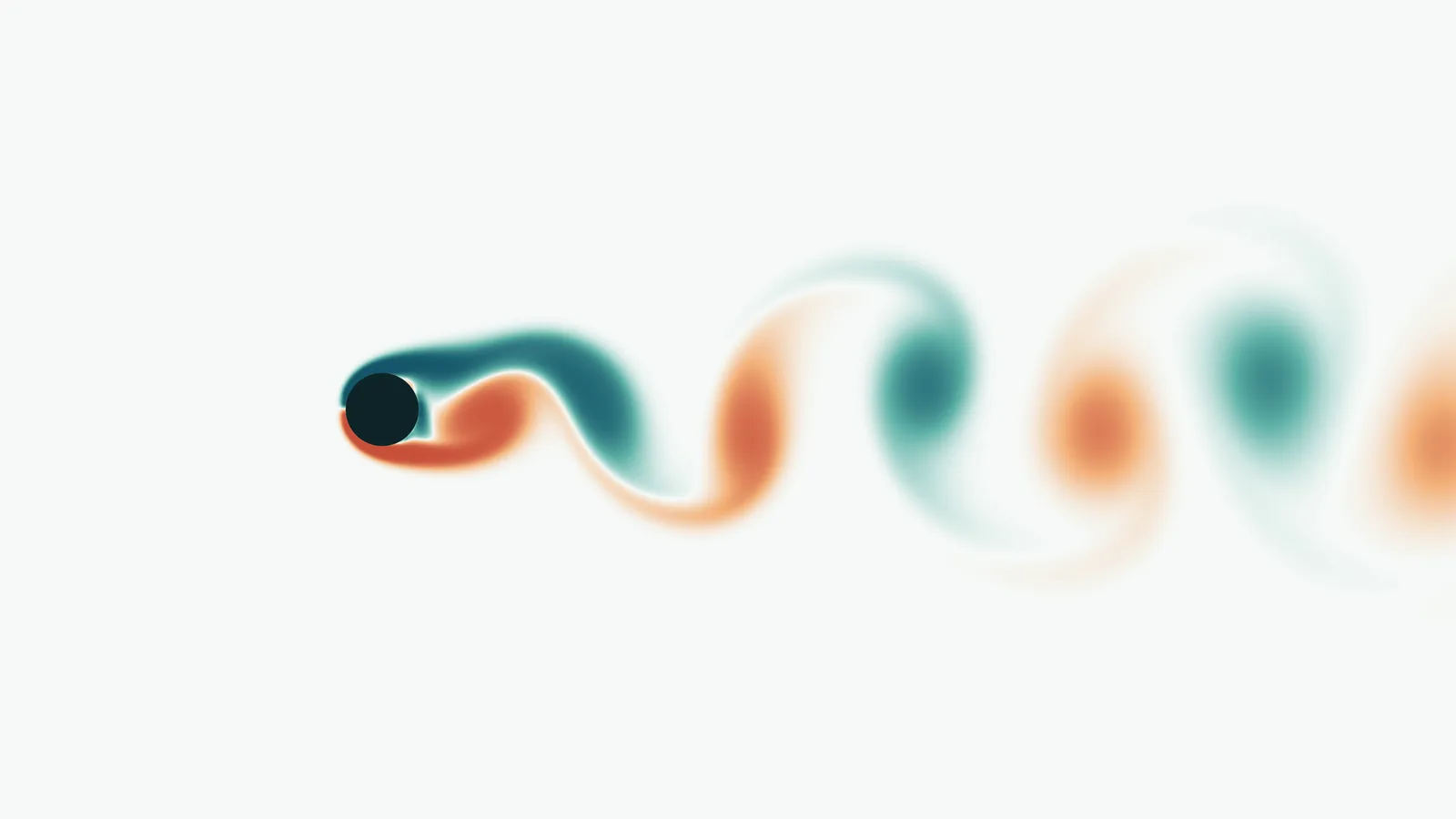
RANS, DES and LES for separation, vortex shedding and transient loads, chosen to fit the question.

05
Free surfaces, dispersed particles, rotating machinery and fluid–structure interaction.
06
Air distribution, thermal comfort and contaminant control in rooms, enclosures and buildings.
07
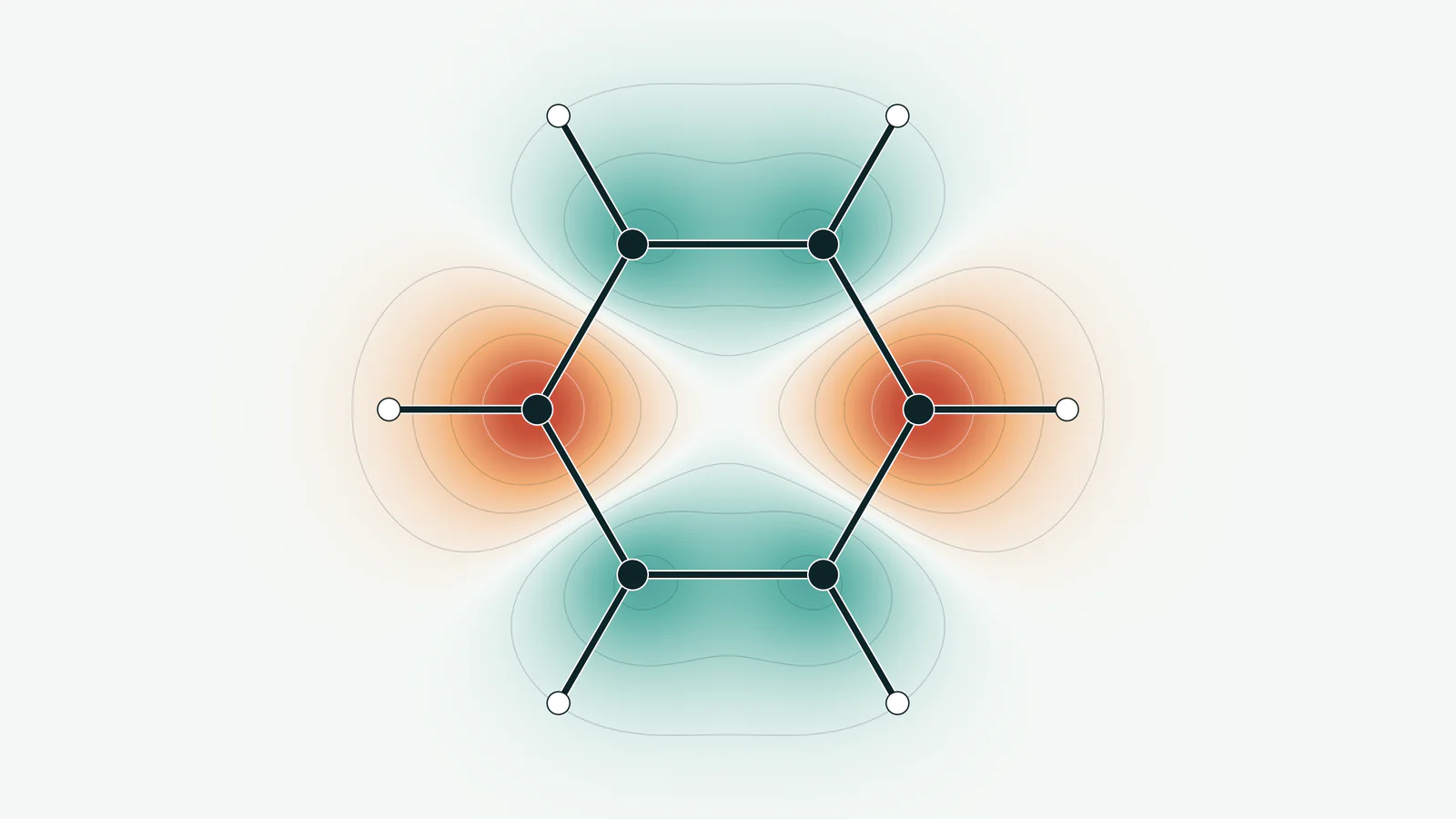
DFT and molecular modelling for structures, energies, interactions and reaction pathways.

08
Stuck on a case that won’t mesh, converge or validate? Send it to us as a solving request.
02 / The right model for the problem
From steady flows to electronic structure, we select and tailor models to the physics, accuracy and computational needs of your project.
Understand the flow
Capture the flow structures that shape performance, whether inside a pipe, around a body or across a rotating machine.
Follow the energy
Explore the interaction between flow and temperature to understand hot spots, heat losses and the effectiveness of a cooling design.
Connect the physics
Investigate interacting fluids, dispersed particles and moving components with modelling approaches chosen for your application.
Explore the molecular world
Use computational quantum chemistry to investigate molecular geometries, electronic structure and energy landscapes, with methods chosen around your research question.
Trust the numbers
Every result is only as good as the checks behind it. We test sensitivity to the mesh and the model, and compare with data or correlations wherever they exist.
BUILT FOR REAL ENGINEERING
03 / Industries
The physics is shared; the questions are not. These are the kinds of studies each sector brings to us.
04 / HPC & compute
Large meshes, long transients and design sweeps need more than a workstation. Through our tie-ups with the major cloud platforms and our connections to India’s national compute programmes, every project runs on hardware sized for the physics, and you never have to provision or manage a cluster.
05 / Case studies
Aerospace
Comparing candidate wing sections across the flight envelope to pick the one that gives the best endurance without a sharp stall.
Electronics · Energy
A conjugate heat-transfer study that finds the hot spots in a sealed inverter enclosure and tests whether the cooling design has margin on a hot day.
Process engineering
Finding out why parallel branches fed from one header receive unequal flow, and which geometry change evens it out for the least pressure drop.
HVAC
Modelling supply, extract, heat loads and buoyancy to check that clean air reaches the critical zone before the ductwork is installed.
Energy · Structures
An unsteady study that finds the shedding frequency and fluctuating forces on a cylindrical structure, and checks how close they sit to its natural frequency.
Research & development
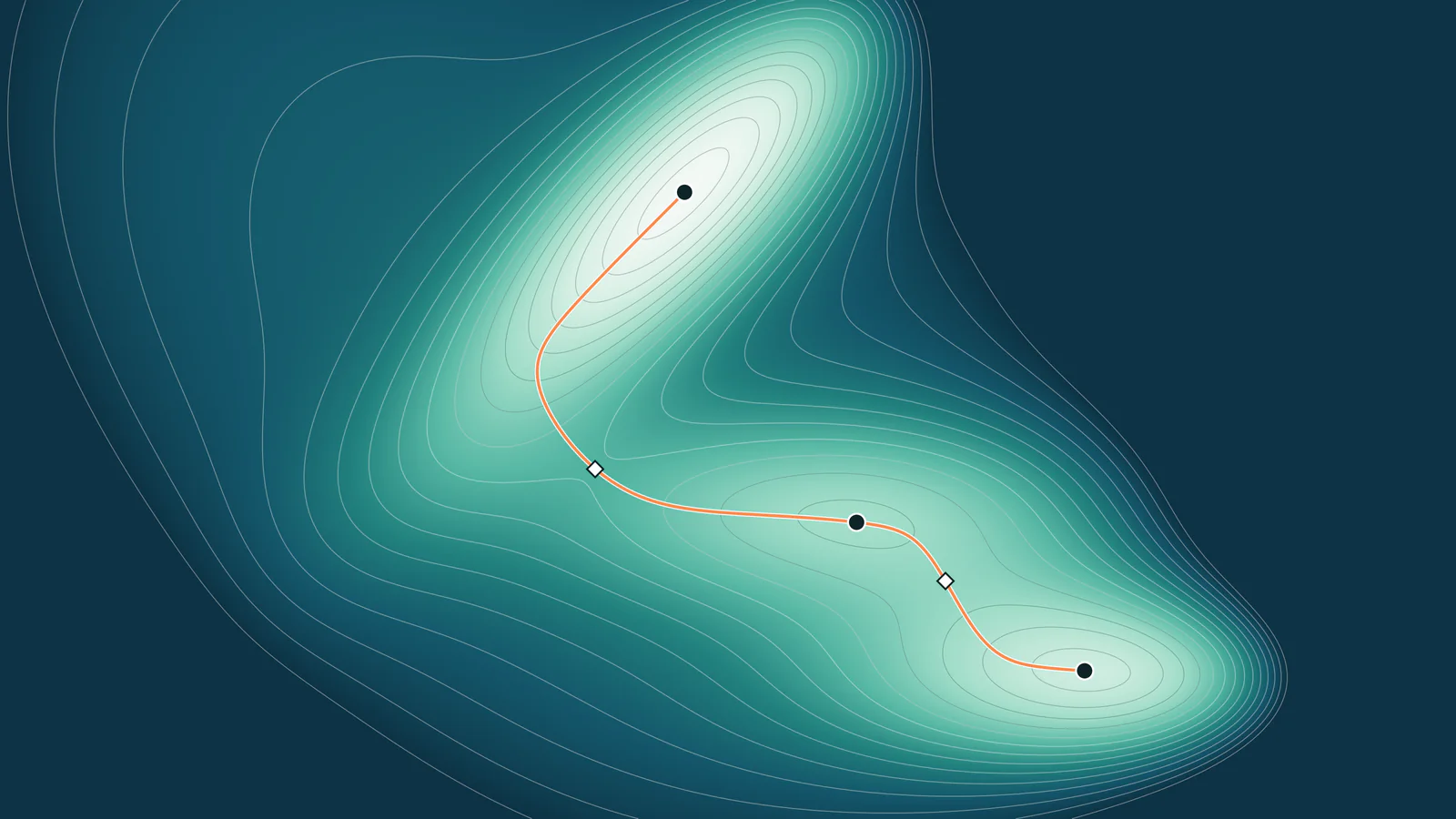
Using DFT to compare competing reaction pathways and rank candidate molecules by activation energy before committing laboratory time.
06 / How we work
A considered process. A clear conversation. Engineering insight you can act on.
Share the system, the operating conditions and the question the simulation should answer.
We reply with the modelling approach, scope, deliverables, timeline and a quote.
Geometry preparation, meshing and solver setup, chosen for the physics and the accuracy you need.
Runs on right-sized HPC, with convergence, mesh-sensitivity and validation checks.
Clear visualisations, engineering interpretation and practical recommendations you can act on.
07 / Why CFD Pro
We aim to be the simulation partner India’s engineers and researchers recommend, and we earn that one verified result at a time.
We start from the governing physics and the decision you need to make, then choose the simplest model that answers it reliably.
Mesh-sensitivity checks, residual and monitor histories, and comparison with data or correlations where they exist, all documented in the report.
CFD and computational quantum chemistry under one roof: from flow and heat transfer in equipment to the molecular interactions behind it.
Cloud tie-ups and connections to national compute mean mesh size and run count are set by the problem, not by the hardware to hand.
Clear visualisations, engineering interpretation and practical recommendations, rather than a folder of contour plots.
From defining the problem and choosing a model to solver setup, verification and reporting, or just the part you are stuck on.
08 / Insights
Turbulence ·
How RANS, LES and hybrid methods differ in what they resolve, what they cost and which engineering questions each can answer reliably.
Meshing ·
What y⁺ means, why the buffer layer is the awkward zone, and how to estimate the first-cell height before you build the mesh.
Verification ·
How a three-mesh study, Richardson extrapolation and the Grid Convergence Index turn mesh independence into a stated numerical uncertainty.
09 / FAQ
We provide computational fluid dynamics (CFD), heat-transfer, multiphase and computational quantum chemistry (CQC) simulation: external aerodynamics, internal flows, thermal management, turbulent and unsteady flows, HVAC and ventilation, and DFT-based molecular modelling. We also take solving requests for existing cases that will not mesh, converge or validate.
See the full list on our services page.
Fill in the project brief. Choose whether it is a project order, a solving request or a consultation, describe the problem and add whatever technical detail you have. We reply with a proposed approach, scope and quote.
The more we know, the sharper our first reply. The most useful inputs are:
If you do not have everything, send what you have and we will work out the rest together.
It depends on the physics, the complexity of the geometry, the mesh size, the number of cases and the deliverables you need. A single steady-state case costs far less than a transient or parametric campaign.
Send a project brief with as much detail as you can and we will reply with a quote for a defined scope. If you have a budget in mind, tell us and we will shape the study around it.
It depends on the physics and the number of cases. A single steady-state study is much quicker than a transient, multiphase or parametric campaign. We confirm the timeline in the proposal, so tell us your deadline in the brief.
We run on high-performance computing sized for each project. We have HPC tie-ups with Oracle Cloud Infrastructure, IBM Cloud, Amazon Web Services, Google Cloud and Microsoft Azure, and we can connect projects to India’s national compute programmes: the IndiaAI compute programme and the National Supercomputing Mission.
More on HPC & compute.
LET’S SOLVE SOMETHING
Tell us what you’re working on. A few minutes on the project brief gives us what we need to reply with an approach, a scope and a quote.